



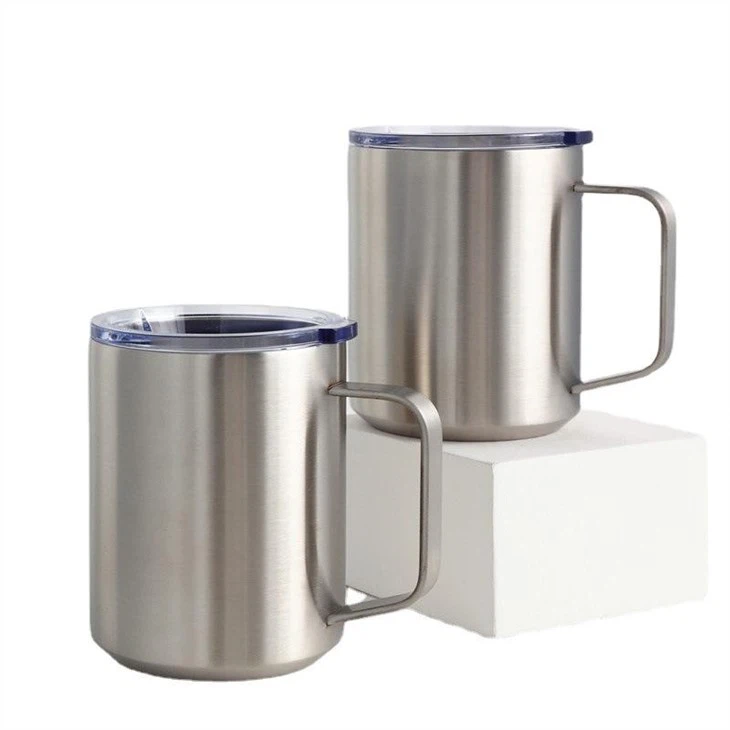
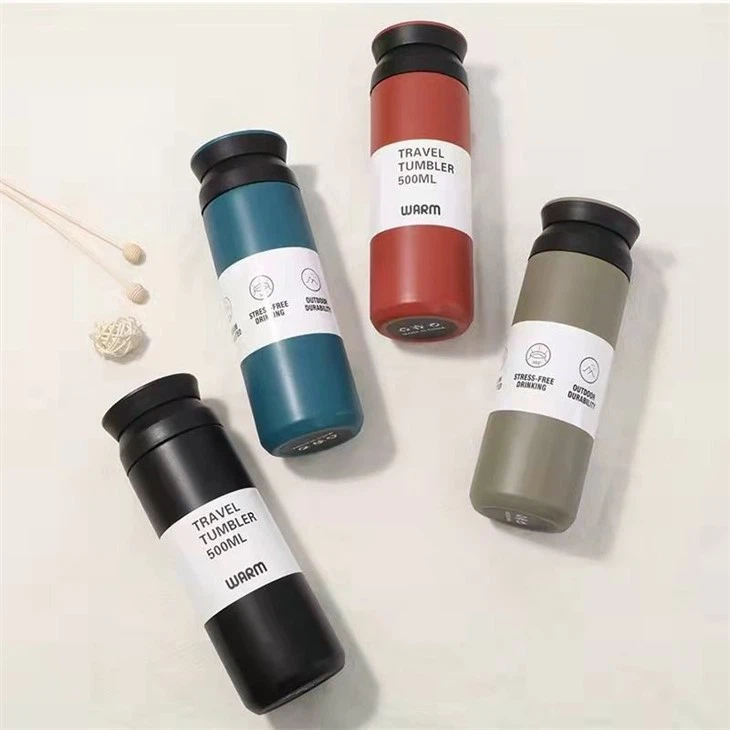
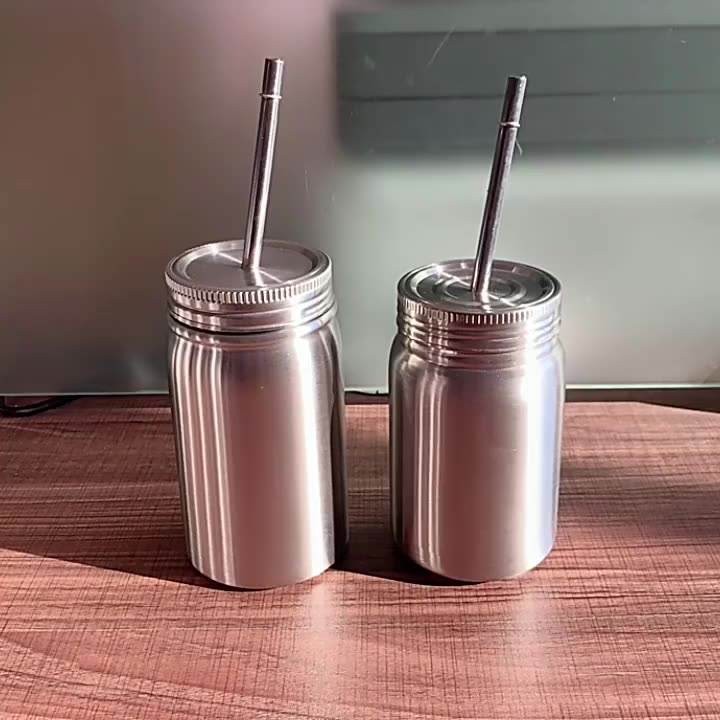
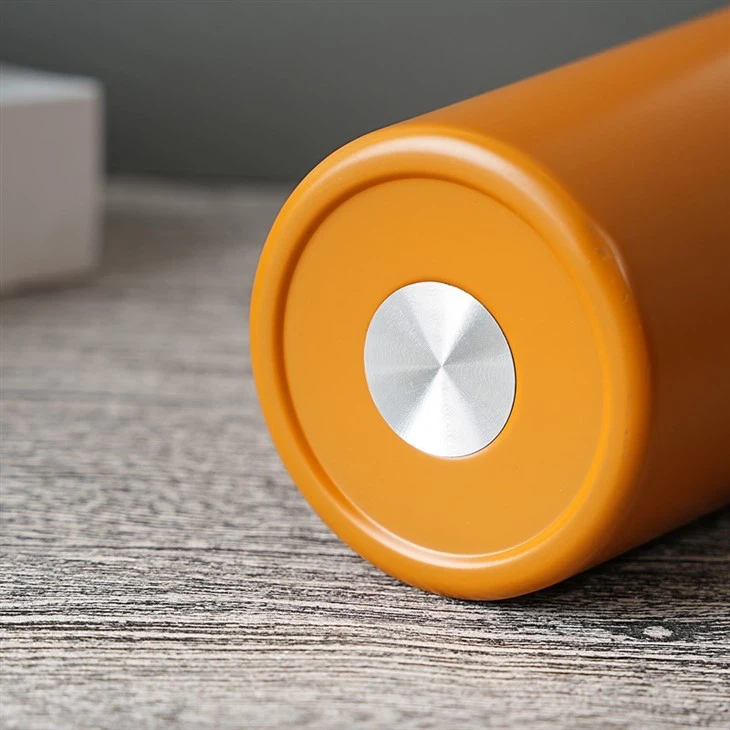
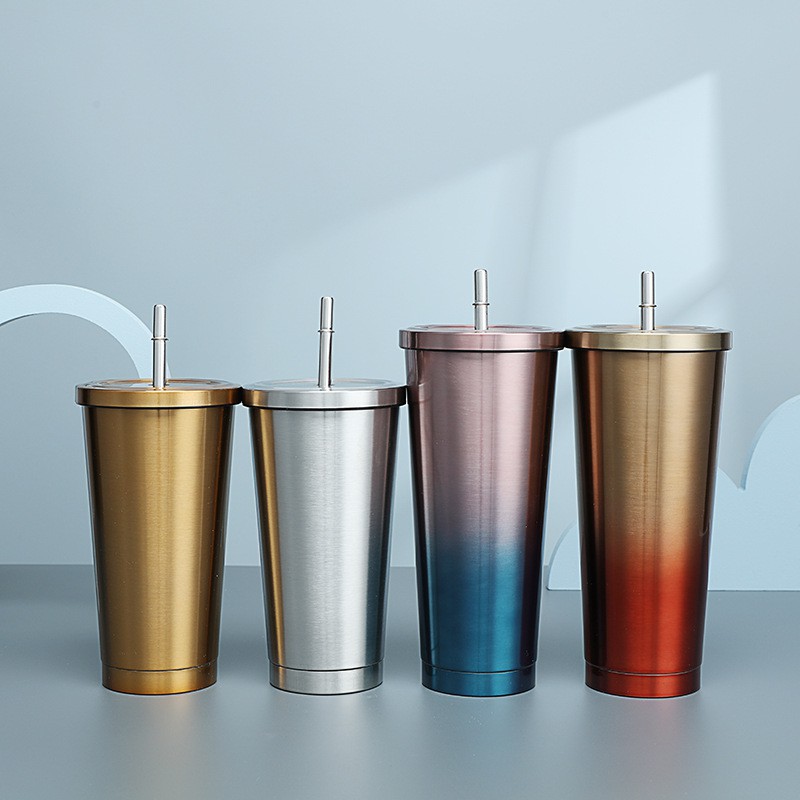
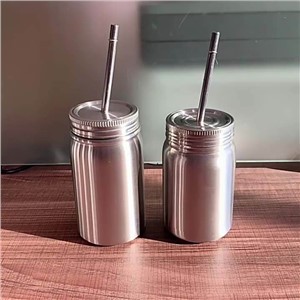
Stainless Steel Coffee Cup With Straw And Lid Insulated Coffee Tumbler
What is Stainless Steel Coffee Cup
Coffee cup is a container, a cup, for serving coffee and coffee-based drinks. There are three major types: conventional cups used with saucers, mugs used without saucers, and disposable cups. Cups and mugs generally have a handle. Disposable paper cups used for take-out sometimes have fold-out handles, but are more often used with an insulating coffee cup sleeve.
Advantages of Stainless Steel Coffee Cup
Easy to Clean And Maintain
Unlike plastic and glass, stainless steel is incredibly easy to clean. These things are resistant to stains, rust, and corrosion. They are considerably easy to wash, and they do not require careful handling, unlike glass cups. You can wash them by hand or throw them in the dishwasher.
Great For Outdoor Activities
Because of the durability of stainless steel coffee cup, they work well for outdoor activities like camping and picnics. Paper cups are convenient but leaving drinks in them can cause them to become soaked and soggy. Stainless steel coffee cup are great for not only general hot or cold drinks, but they also make it very easy to mix drinks, alcohol or non-alcoholic.
Your Coffee Maintains Its Heat Longer
When you pour your hot coffee into a stainless steel mug, it stays hot for an extended period, allowing you to enjoy your drink slowly without getting cold. This is because stainless steel is an excellent conductor of heat. When you pour hot coffee into a stainless steel mug, the mug quickly absorbs the heat, which is then distributed evenly throughout the mug.
Durable And Heavy-duty
Unlike ceramic mugs, which can easily chip or crack if dropped, stainless steel mugs are virtually indestructible. They can withstand drops, bumps, and knocks without breaking or cracking, making them ideal for home, work, or travelling.

Why Choose Us
High Quality
Our products are manufactured or executed to a very high standard, using the finest materials and manufacturing processes.
Professional Team
Our professional team collaborates and communicates effectively with each other, and is dedicated to delivering high quality results. We are capable of handling complex challenges and projects that require our specialized expertise and experience.
Advanced Equipment
A machine, tool or instrument designed with advanced technology and functionality to perform highly specific tasks with greater precision, efficiency and reliability.
24h Online Service
We try and respond to all concerns within 24 hours and our teams are always at your disposal in case of any emergencies.
5 Reasons to Buy a Stainless Steel Coffee Cup
They Keep Drinks Cold & Hot
Steel is a great temperature conductor which is why a lot of cooking pots and pans are made from steel. They are great at taking the heat from the stove and transferring it to what you're trying to cook. To ensure that the steel keeps it temperature another steel layer is added with a layer of "nothing" which prevents the inside temperature moving to the outside of the cup and vice versa. This locks in the internal temperature. This process is called Vacuum Wall Insulation. Only stainless steel coffee mugs boast this type of thermal insulation. Plastic and glass can have a similar method but won't keep liquids hot for long.
Doesn't Interact With Your Favourite Blend
There are a few key reasons why Food Grade Stainless steel is used for commercial cooking and food preparation. Not only is it tough and durable but it's very hygienic, it's very safe for food and it also doesn't interact with the taste of food or drink. Some plastics and inferior steel types can alter the taste of your coffee or tea so we recommend investing a little bit more into a premium stainless steel coffee mug.
Better, Safe And Healthier
Cheaper plastics are filled with all sorts of "stuff" from BPA and mix that with hot liquids it can make a nice concoction of toxins. Something you probably don't want to be drinking. In addition to that, constantly scrubbing and cleaning cheap plastic reusable cups can cause little bits of plastic to break off and end up in your drink! In short, avoid cheap plastic reusable cups.
It's Stronger And More Durable
Stainless steel coffee mugs are very strong and durable which makes them the perfect reusable mug for travelling at the outdoors.
Leakproof
With the thermal insulation plus the added durability of stainless steel it's ideal for ensuring that contents stay locked inside. It's amazing how much easier life is when you have leakproof coffee mug.
How to Choose a Better Stainless Steel Coffee Cup
Stainless steel coffee mug can be a great choice for keeping your coffee hot and fresh, especially when you are traveling or on the go. However, not all stainless steel mugs are created equal, and there are some factors to consider when choosing the best one for your needs. Here are some tips to help you choose a better stainless steel coffee mug


Look for mugs with double-wall vacuum insulation, as this provides the best temperature retention for both hot and cold beverages.
Opt for mugs made from high-quality materials, such as stainless steel or ceramic, to ensure durability and a pleasant drinking experience1.
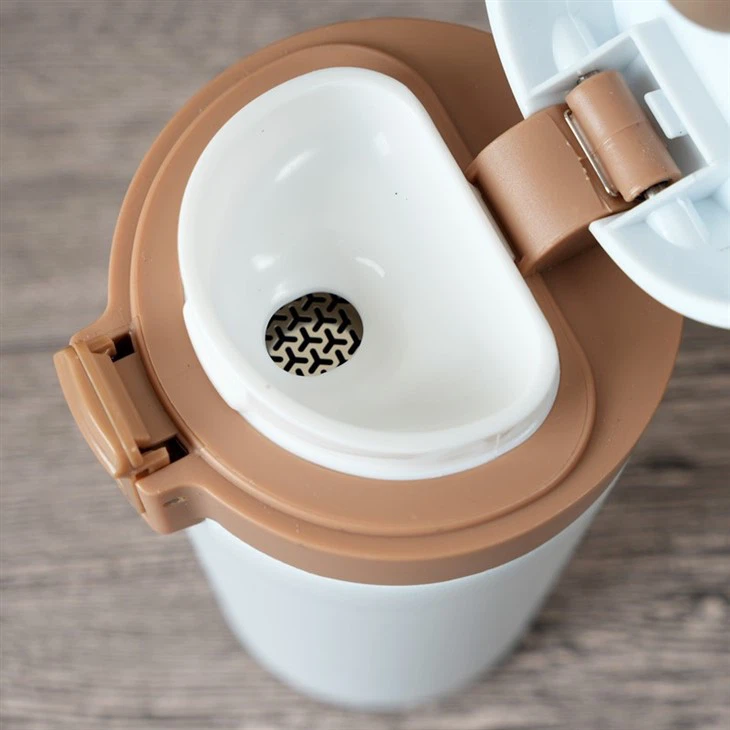
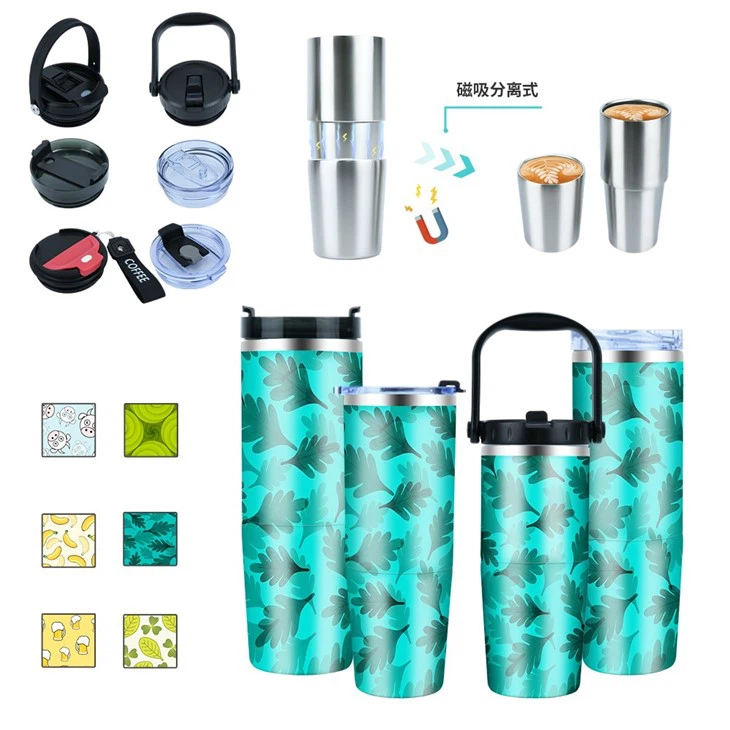
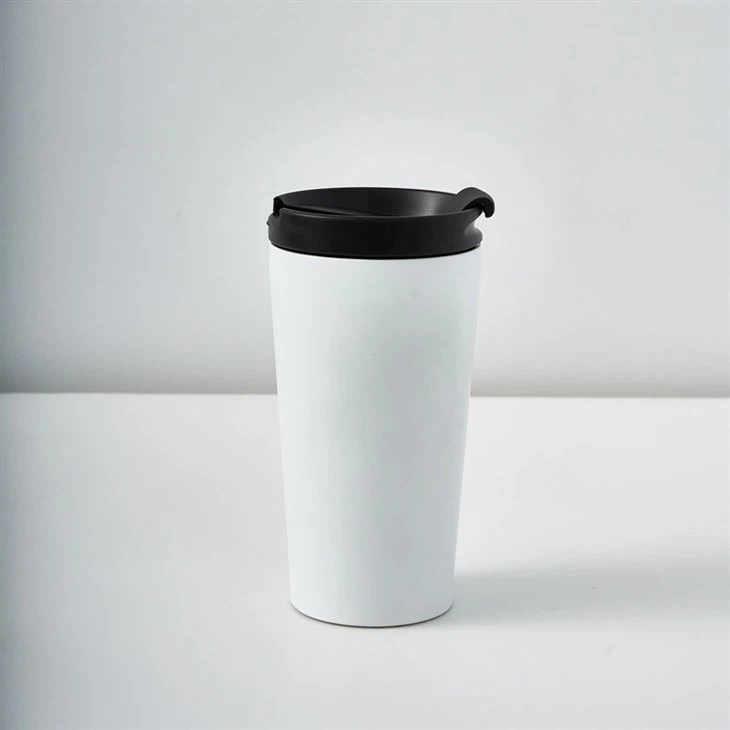
Choose a lid and mouth that are easy to open, close, and drink from. You may prefer a straw lid, a flip lid, a screw cap, or a wide mouth, depending on your needs and preferences.
Pick a size and capacity that suit your lifestyle and hydration needs. You may want a smaller mug that fits in your bag or cup holder, or a larger mug that holds more coffee and reduces refills.
Select a design and appearance that match your personality and style, or that have a unique or attractive feature. You may also want to choose a mug that is easy to clean and maintain.
Some people cling to the belief that coffee is a kind of acidic liquid that may react with the stainless steel, changing the authentic flavor of coffee, damaging the tumbler cup itself, and releasing harmful elements. On the contrary, coffee will never react with the stainless steel, and the PH level of a standard coffee is between 4.5 to 6.0, close to the neutral level. It may surprise you that the PH level of a bottle of coke is nearly 2.6! Some people tend to add milk to their coffee for better taste and nutrition. It is okay as milk is more neutral than coffee in terms of the PH level.
So the answer of this question is undoubtedly "yes". There is no chemical reaction between hot coffee and stainless steel. Besides, stainless steel will never impart smell to coffee, offering you the original pure taste, which is hardly realized by a paper cup or a plastic cup.
Stainless steel is an alloy of iron that is resistant to rusting and corrosion. And we rarely stay overnight for coffee,and always wash the tumblers after drink coffee. If you wash your mug after drinking your coffee,just rinse it.
Coffee Cup Design: This this stage is main This ed on market demand and design concepts, the appearance and structure of the mug design. Including size, shape, capacity, handle position, sealing method and so on. At the same time, it is also necessary to consider the human-mug interaction and ease of use, such as the weight of the mug body, non-slip, and easy to clean the design.
Material Selection: Stainless steel is a major stainless steel coffee cup production materials. Stainless steel has good corrosion resistance, heat resistance, low temperature resistance and beautiful, but also has a good processing and molding, is an ideal material for manufacturing mugs. Some high standard stainless steel has high corrosion resistance and high temperature strength.
Production Process: The production process of stainless steel cups mainly includes melting, calendering, cup body molding, welding, grinding and other links. Melting is the stainless steel material heated to the melting point to form a uniform liquid; calendering is the molten stainless steel material through the mold pressed into a certain shape process. Cup body forming is to press the calendered stainless steel sheet into a cup body through a mold; welding is to weld the cup body and the bottom together; grinding is to treat the surface of the weld and the cup body to make it smooth.
Surface Treatment: In order to improve the corrosion resistance, aesthetics and service life of the stainless steel bottle, the surface of the mug body needs to be properly treated. Common surface treatment methods include pickling, passivation, polishing, sandblasting and so on. Polishing can make the surface smooth as a mirror, while sandblasting can make the surface form a detailed sandpaper feeling.
Quality Inspection
Quality inspection is the link to ensure product quality, including the appearance of the mug, size, sealing, pressure resistance and other aspects of the test. For each batch of products will be sampling or full inspection to ensure that the quality of the product meets the standards.
Packing and shipping
The final stage is to ship the products in boxes. In order to protect the product and increase its added value, appropriate packaging materials and techniques are usually used for packaging. Once the packaging is completed, the product can be shipped to the end user or customer.
Environmental impact
In the production process of stainless steel cups, although most of the links do not involve serious environmental problems, but still need to pay attention to some environmental impact factors. Such as melting process may produce waste and slag, need to configure the appropriate environmental protection equipment for treatment. In addition, the use of packaging materials should also consider environmental protection, as far as possible to choose recyclable or biodegradable packaging materials. At the same time, the energy consumption in the production process mainly comes from electricity and gas, and the energy utilization efficiency should be improved as much as possible to reduce carbon emissions.
Does Coffee Corrode Stainless Steel Coffee Cup
Stainless steel is widely used in our day-to-day life, from kitchen appliances to medical equipment. Many people enjoy a cup of coffee or two every day, often using stainless steel containers or utensils. However, there have been concerns about whether coffee can corrode stainless steel. In this article, we will explore the science behind this question and provide you with a comprehensive understanding of whether or not your favorite beverage can cause damage to your stainless steel items.
Before delving into the corrosion aspect, it is crucial to understand what stainless steel is and why it is considered resistant to corrosion. Stainless steel is an alloy primarily composed of iron, carbon, and chromium. The addition of chromium creates a protective layer on the surface of the steel, known as the passive layer. This passive layer is highly resistant to rust, stains, and corrosion.
Chemical composition
The chemical composition of coffee plays a significant role in determining whether or not it can corrode stainless steel. Coffee is a complex mixture containing various organic acids, oils, and other compounds. The pH level of coffee can vary between 4.5 and 6, depending on the brewing method and coffee beans used. Acids in coffee, such as chlorogenic acid, quinic acid, and citric acid, can potentially corrode stainless steel when exposed for extended periods.
Exposure time
The duration for which stainless steel comes into contact with coffee is another crucial factor. If stainless steel is merely in brief contact with coffee, it is unlikely to cause any noticeable corrosion. However, if coffee remains on the surface of stainless steel for an extended period, the protective passive layer may degrade, making it more susceptible to corrosion.
Cleaning and maintenance
Regular cleaning and proper maintenance of stainless steel items significantly reduce the chances of corrosion. Coffee residues left uncleaned can accumulate over time, promoting corrosion. It is essential to thoroughly rinse stainless steel utensils or containers after every use to remove any coffee remnants.
Use high-quality stainless steel
Investing in high-quality stainless steel products can significantly reduce the chances of corrosion. Products made from 304 or 316 stainless steel are recommended, as they are specifically designed to withstand corrosive environments.
Avoid prolonged exposure
To minimize the risk of corrosion, avoid leaving coffee in contact with stainless steel for long periods. After enjoying your coffee, promptly clean the stainless steel container or utensil to remove any coffee residue.
Proper cleaning
Cleaning stainless steel items with abrasive materials or harsh chemicals can damage the passive layer, rendering it more susceptible to corrosion. Instead, use mild soap or stainless steel cleaner and a soft cloth or sponge to clean your stainless steel items.
Regular maintenance
Regularly inspect your stainless steel items for any signs of surface damage or corrosion. Promptly address any issues by cleaning, repairing, or replacing the damaged product.
Proper Care and Maintenance for Stainless Steel Coffee Cup
Washing And Drying: Most stainless steel cups are dishwasher safe, making them easy to clean. However, if you prefer to wash them by hand, use warm soapy water and a soft sponge or cloth to gently clean the cup's interior and exterior. Avoid using abrasive cleaners, steel wool, or rough scrubbers, as these can scratch the surface and compromise the cup's protective layer. After washing, rinse the cup thoroughly with clean water and dry it with a soft, lint-free cloth to prevent water spots and discoloration.
Removing Stains And Discoloration: Over time, stainless steel cups may develop stains or discoloration due to mineral deposits, exposure to acidic beverages, or heat. To remove these stains, mix a solution of equal parts water and white vinegar, or use a gentle stainless steel cleaner. Apply the solution to the stained area, let it sit for a few minutes, then gently rub with a soft cloth or sponge. Rinse thoroughly and dry the cup afterward.
Preventing Scratches And Dents: To prevent scratches and dents, avoid stacking stainless steel cups on top of one another or placing them in a crowded sink or dishwasher where they may come into contact with other items. If you need to stack your cups for storage, consider placing a soft cloth or paper towel between them to minimize scratching. Handle your cups with care and avoid dropping or striking them against hard surfaces.
Storing Safely: When not in use, store your stainless steel cups in a dry, cool place away from direct sunlight and heat sources. This will help prevent discoloration and maintain the cup's appearance. If possible, store your cups upright to prevent moisture from becoming trapped inside.
FAQ
Hot Tags: stainless steel coffee cup with straw and lid insulated coffee tumbler, China stainless steel coffee cup with straw and lid insulated coffee tumbler manufacturers, suppliers, factory, 360ml Steel with Handle Tumblers Coffee Mug, 800ml Stainless Steel Hot Water Kettle, Stainless Steel Thermos Wine Bottle Set, 350ml Stainless Steel Insulated Sports Bottle, Stainless Steel Insulated Food Jar, Tumbler Cups with Lid Vacuum Insulated
Previous
No InformationYou Might Also Like

Send Inquiry